Tag: cameras

  • Exercise 3

    Below I have assembled some portraits I have taken specifically for this task and others taken in general low lighting settings.

    I first attempted this exercise and leanred the hard way the danger of ISO, as most of the images I took the first time around were supre grainy, So the second attempt I consciously tried to utilise my aperature and shutter and used a tripod so I wouldnt have to bump up my ISO as much.

    On the first attempt I had my ISO set to 2000, which was too high for what I was trying to achieve. So the next attemt I brought my tripod and was able to go much slower with my shutter.

    One from the first shoot, ISO 2000, F/ 2.5, 1/80th.
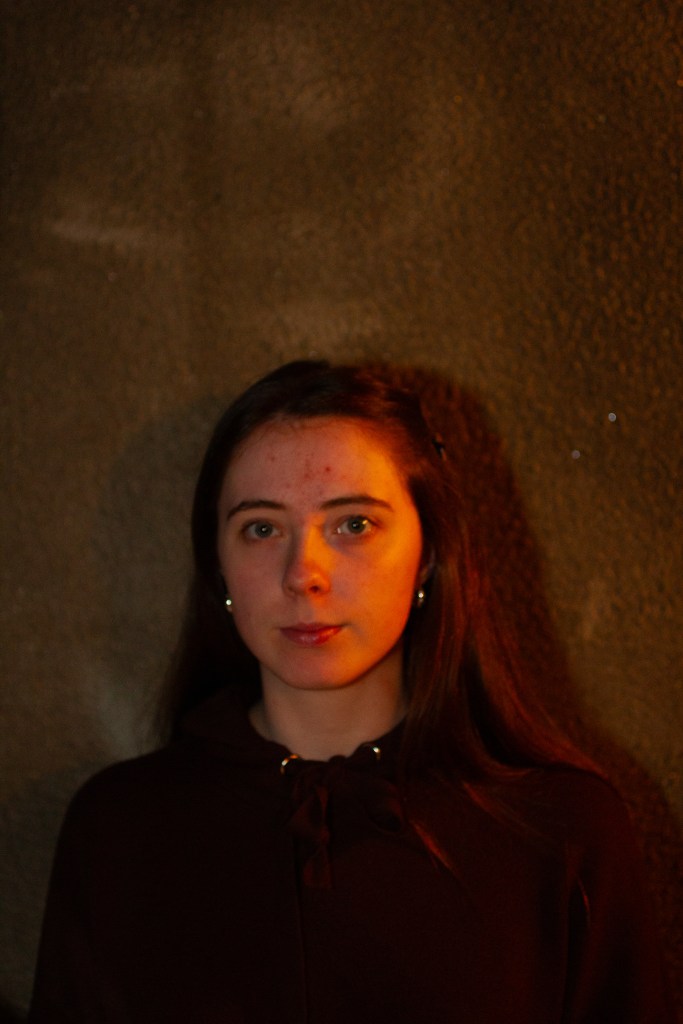
    Same setting but with flash set in manual 1/256.
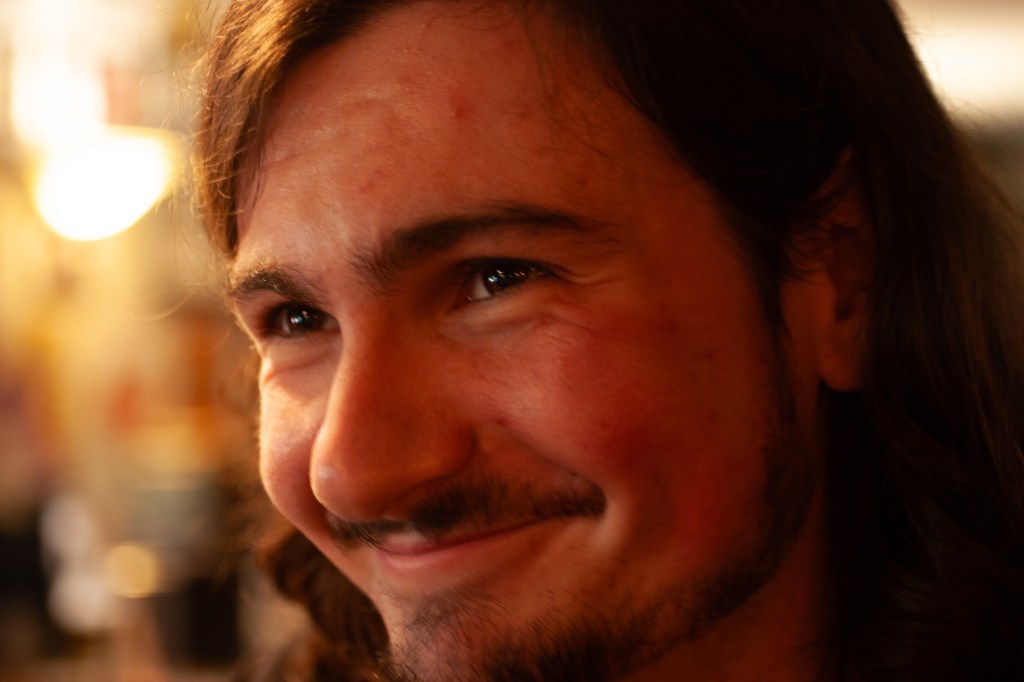
    This was low light, no flash. ISO 400, F/2.5, 1/10th.

    For the second attempt I started with my baseline exposure and slowly worked down my flash to get to the right exposure.
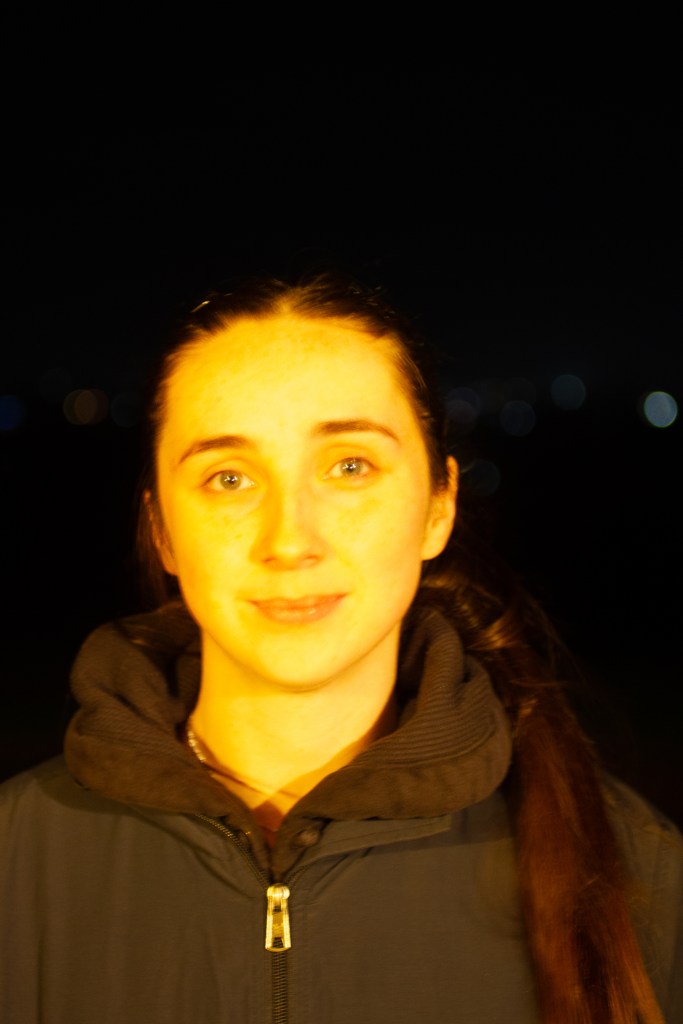
    No flash, ISO 640, F/ 2.5, SS 1.0 sec,
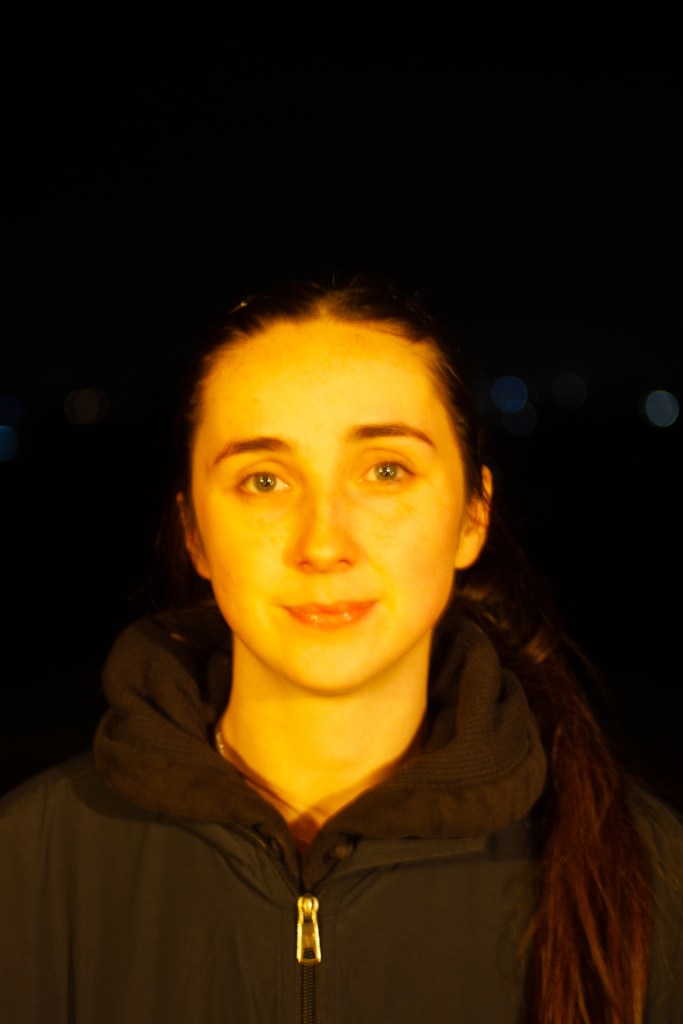
    ISO 400, F/ 2.5, SS 1.0.

    My shutter was too slow to get a sharp shot while the lighting was very tungsten and once the flash was added I was able to speed up my shutter to get a sharper shot while still getting the warm light.
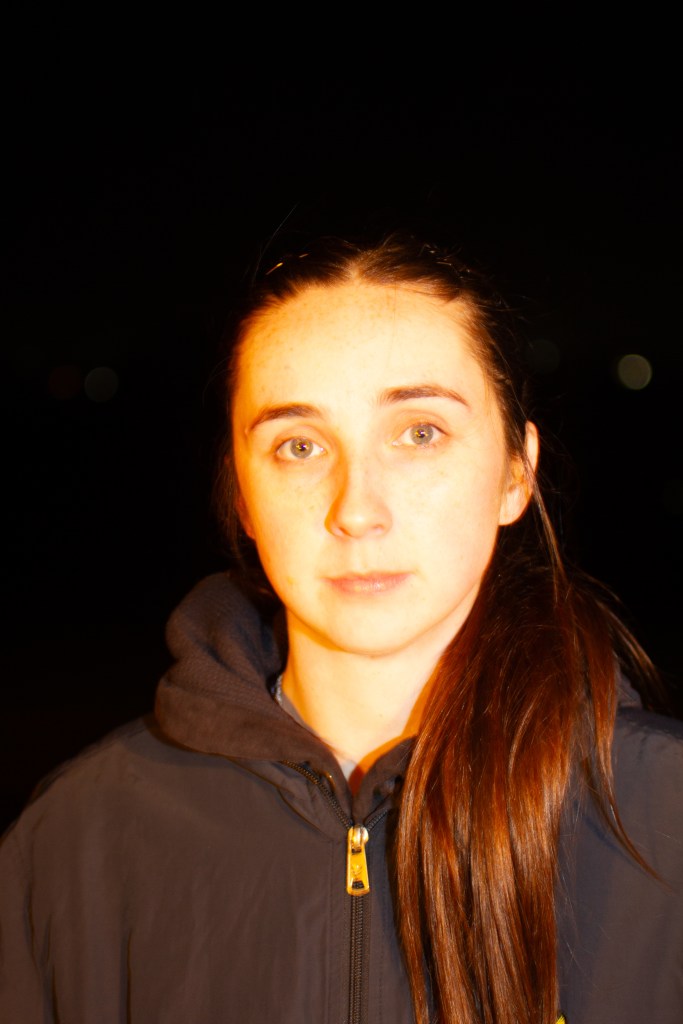
    Flash set to 1/64 + 0.5, ISO 400, F/ 2.5, SS 0.8 sec.
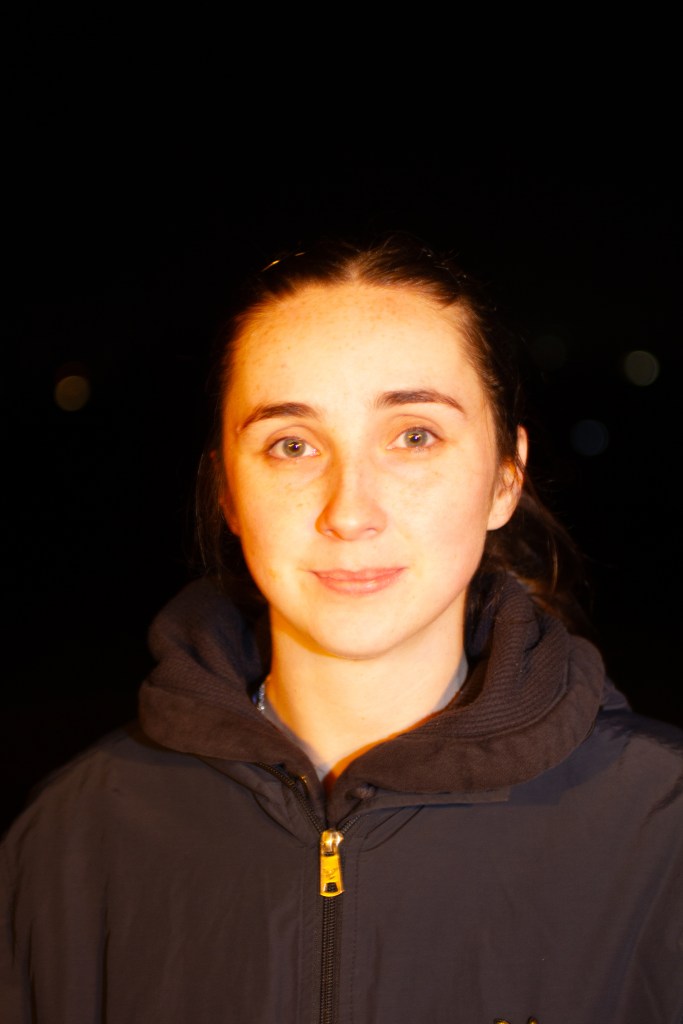
    Flash, 1/64, ISO 400, F/ 2.5, SS 0.6.
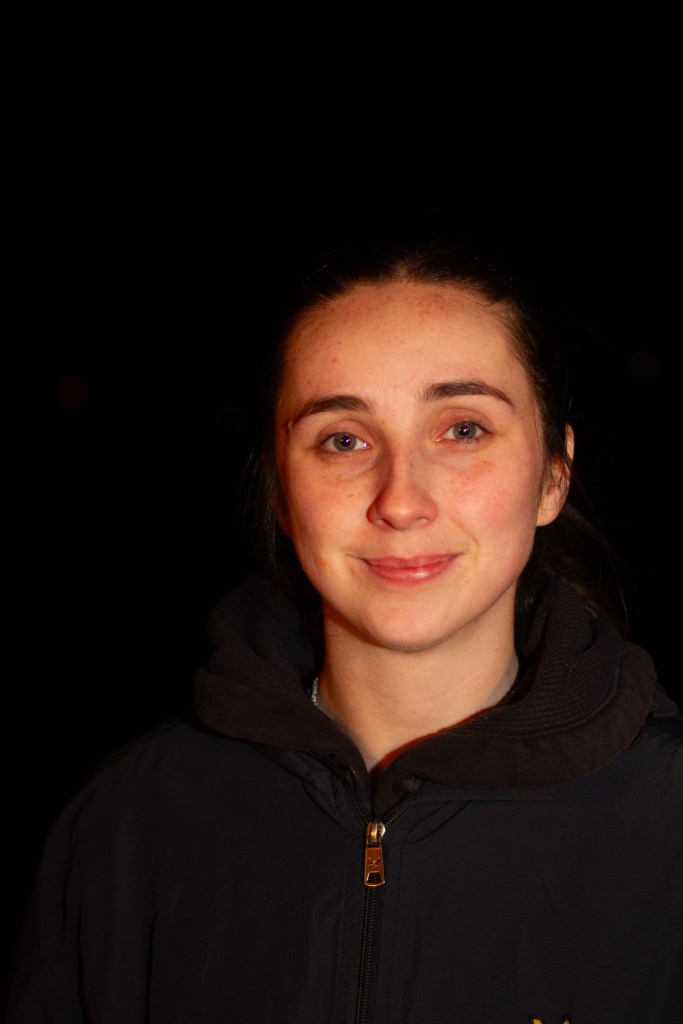
    Flash 1/128 + 0.5, ISO 400, F/ 2.5, SS 1/13

    Flash 1/128, SS 1/10

    Flash, 1/265,

    Fill Flash Exercise.

    The first images were test shots for my baseline exposure using ambient light.
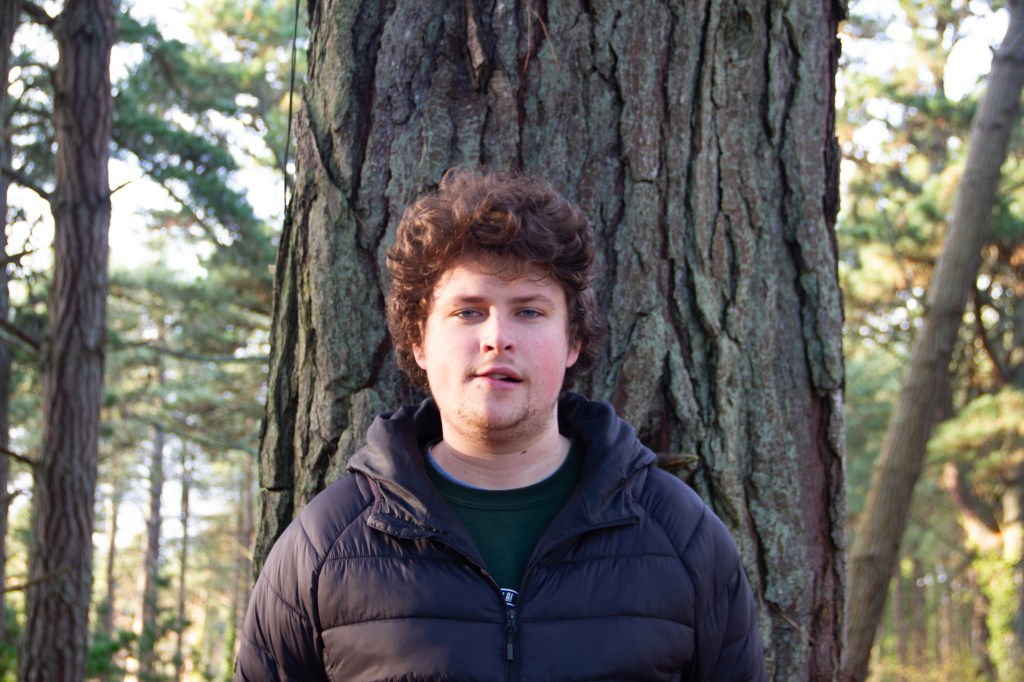
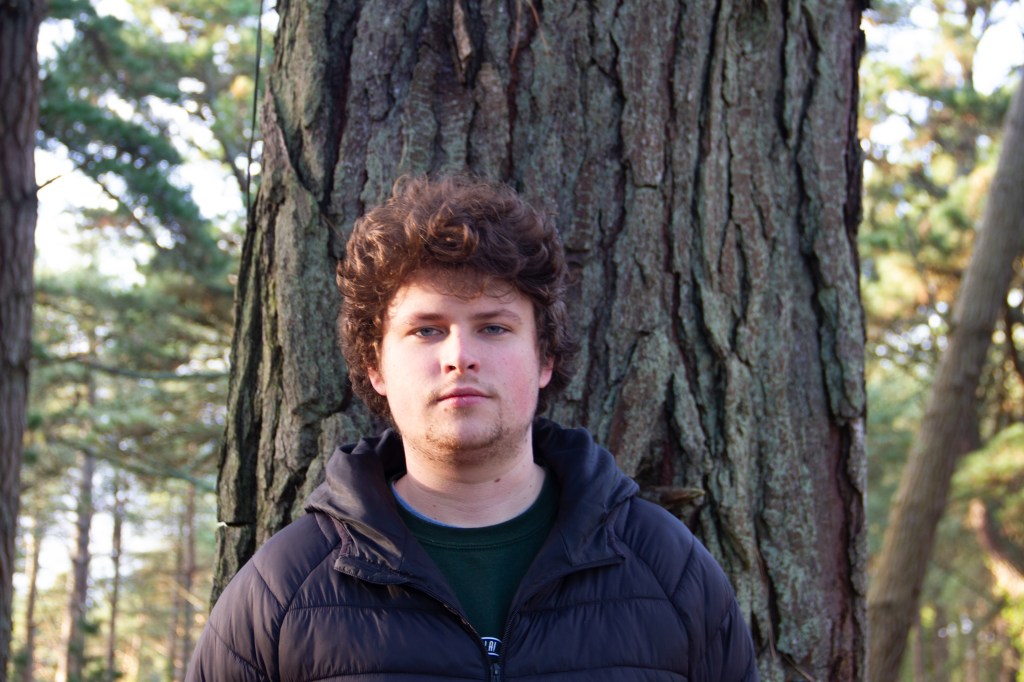
    It was really dark in the forest, so I took a few test shots to kind of get a ball park of my exposure. These first three were over exposed with the sunlight hitting his face. With a shutter of 1/20th, F/ 4.5, and ISO set at 200.
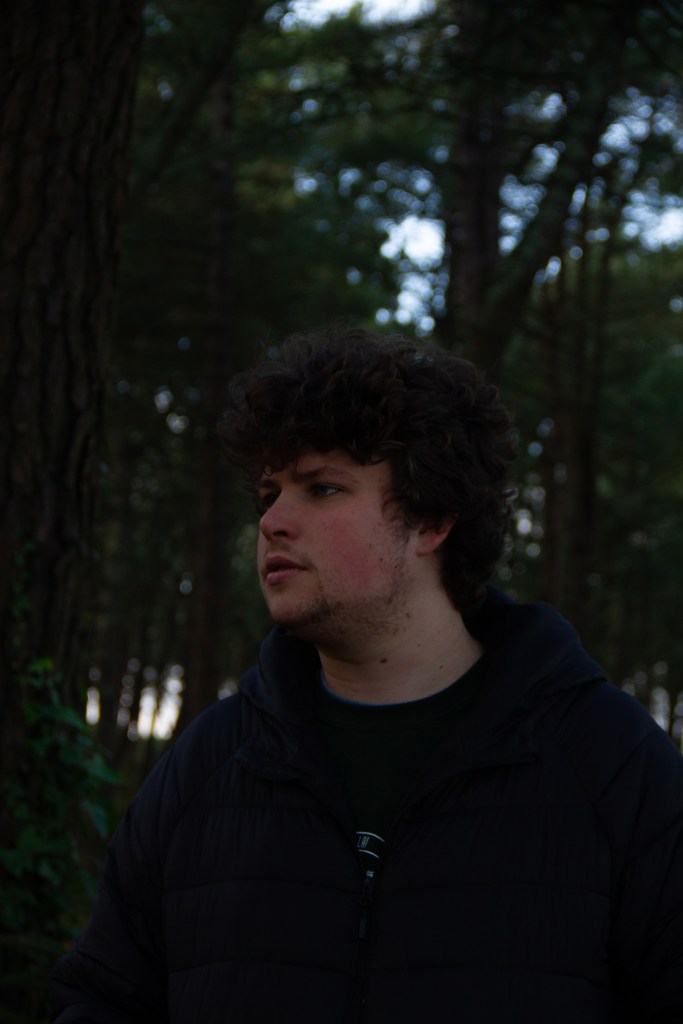
    The next few were on the other end being under expsosed, I was fighting the sun and the clouds for the rays of light falling into the forest. The settings for these two were the same at ISO 320, F5.0, and 1/200. I kind of wanted to underexpose for the sunlight coming in and for the flash. The next few images are with fill flash.
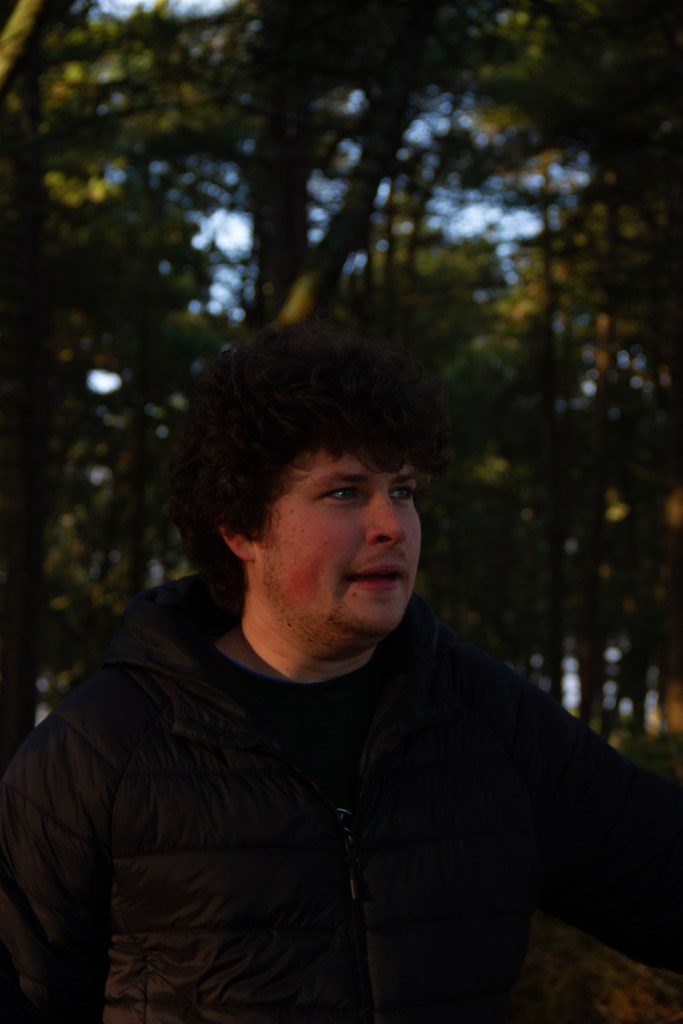
    ISO 320, F/ 5.6, 1/200th.
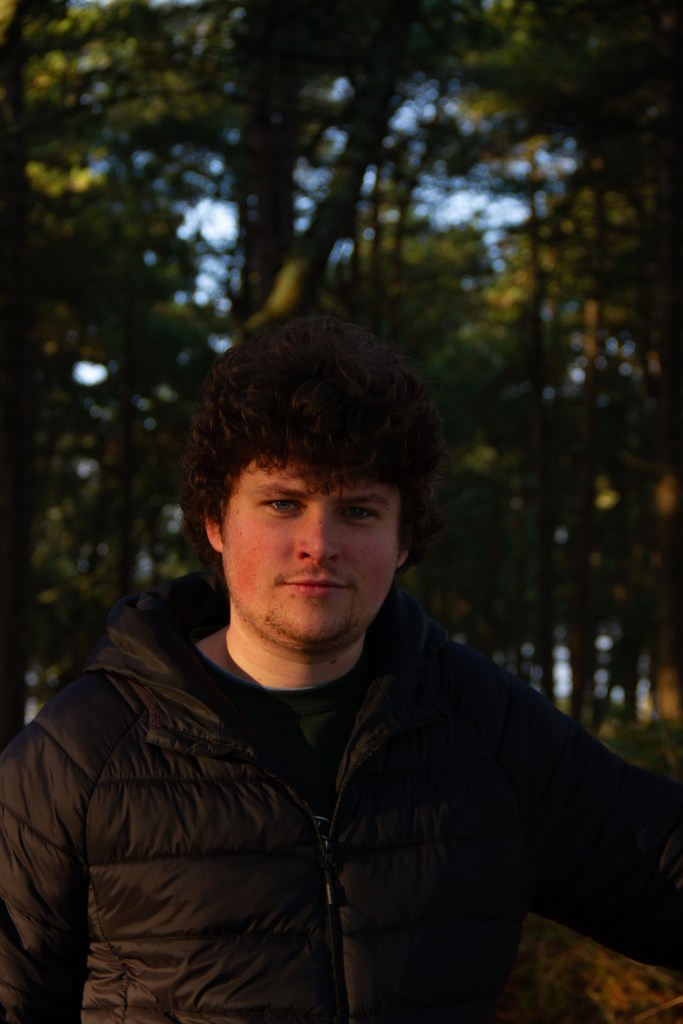
    ISO 320, F/ 5.6 1/200th Flash at 1/ 265 + 0.5
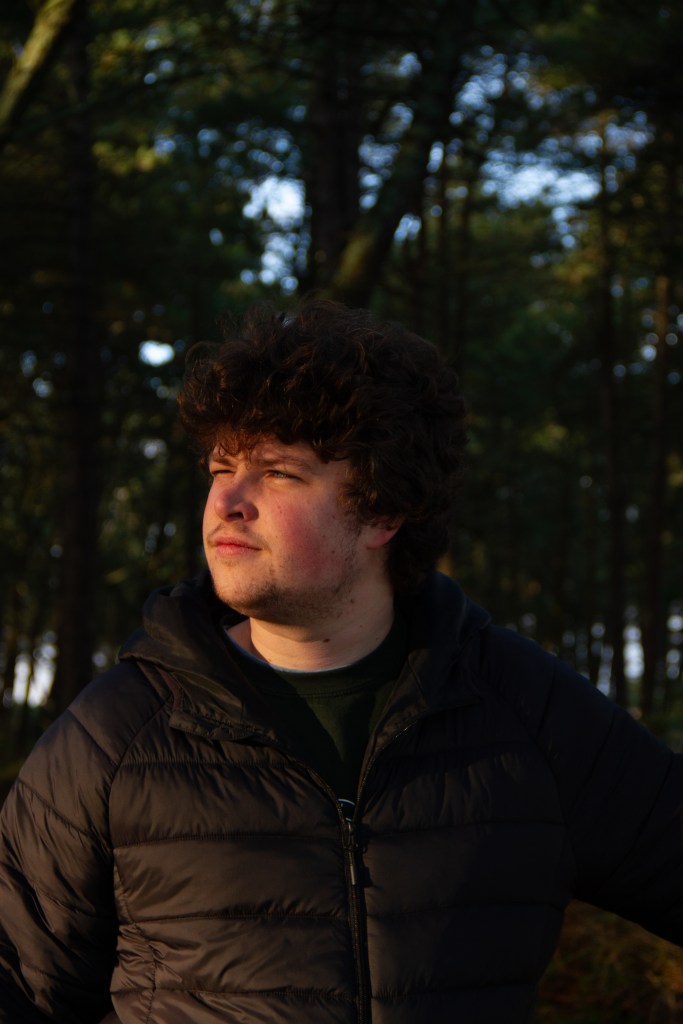
    ISO 320, F/ 5.0, 1/200th. Flash 1/128
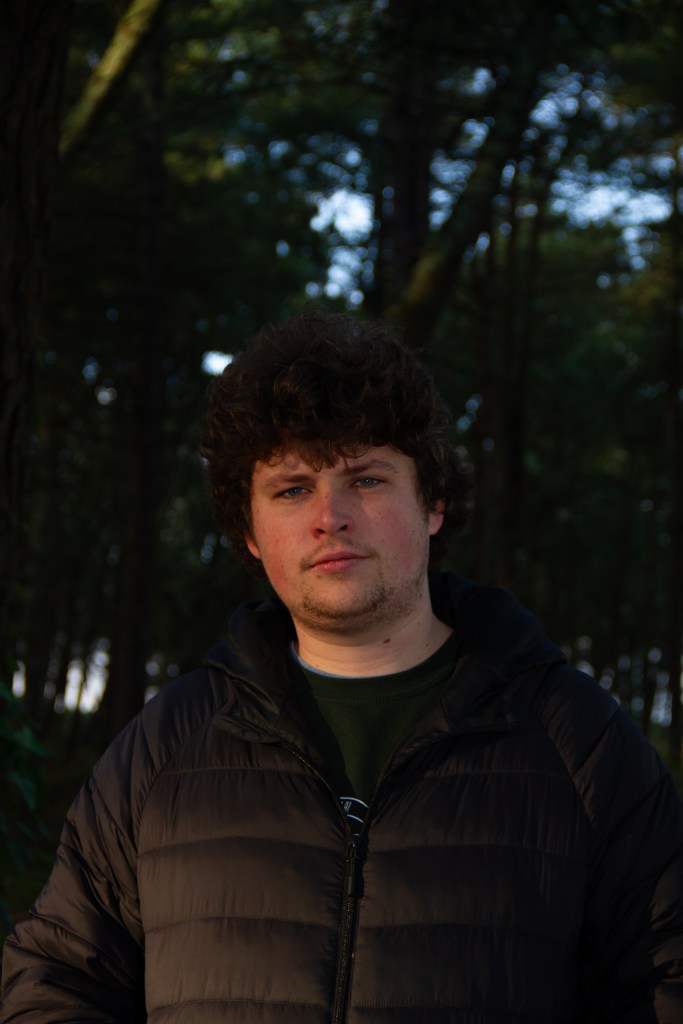
    ISO 320, F/ 5.0, 1/200th. Flash at 1/128
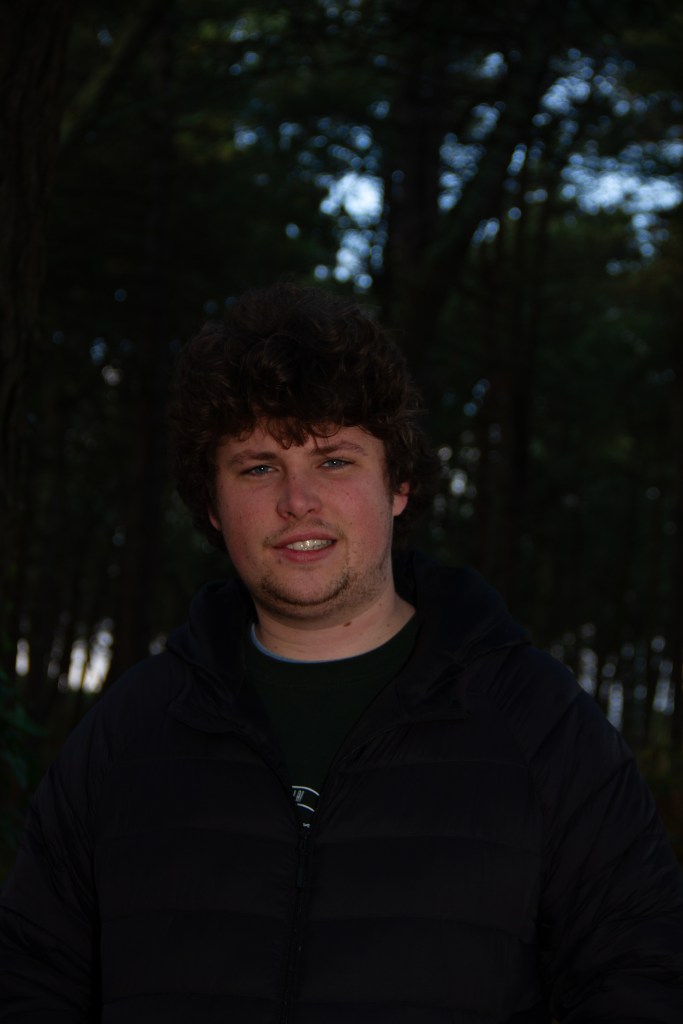
    ISO 320, F/ 5.0, 1/200th Flash at 1/64.

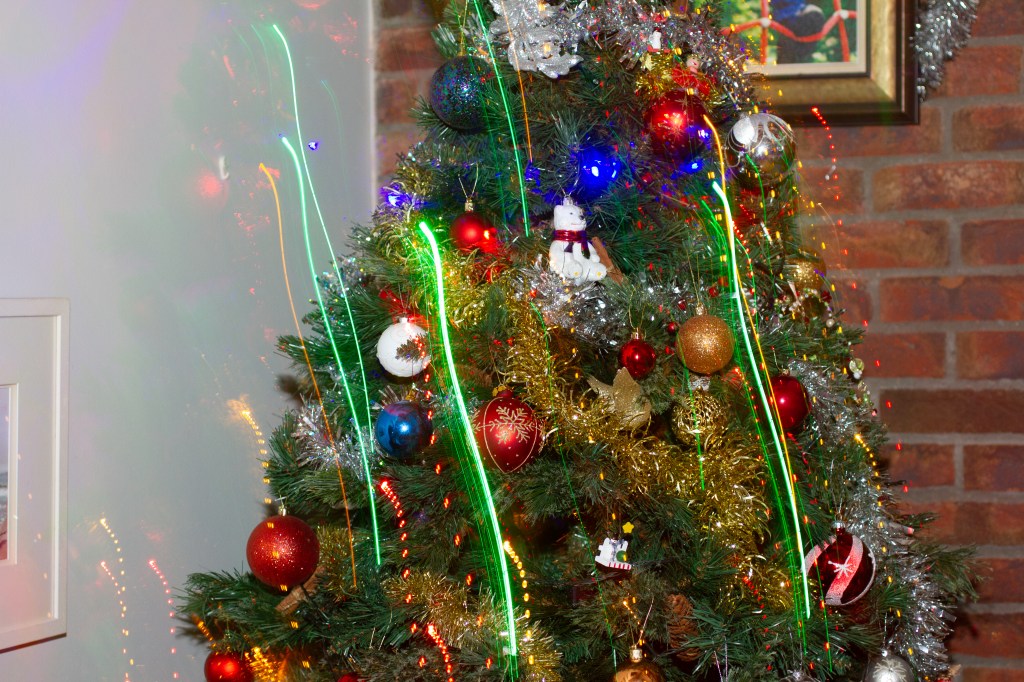
    Slow shutter with and without flash.

    ISO 100, F/ 32, 1/6 sec.
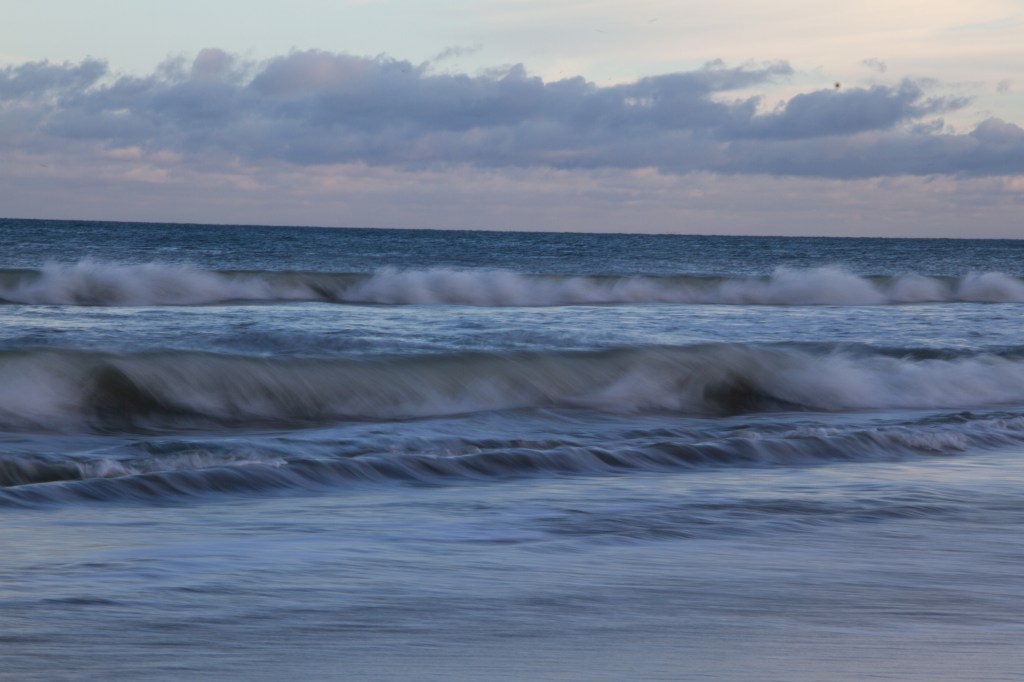
    Same frame and settings, the process of getting this shot really echoed what was said in class, patience and calm is key to getting the right shot. I have learned that the hard way after rushing to many shots and ended up with lackluster results.
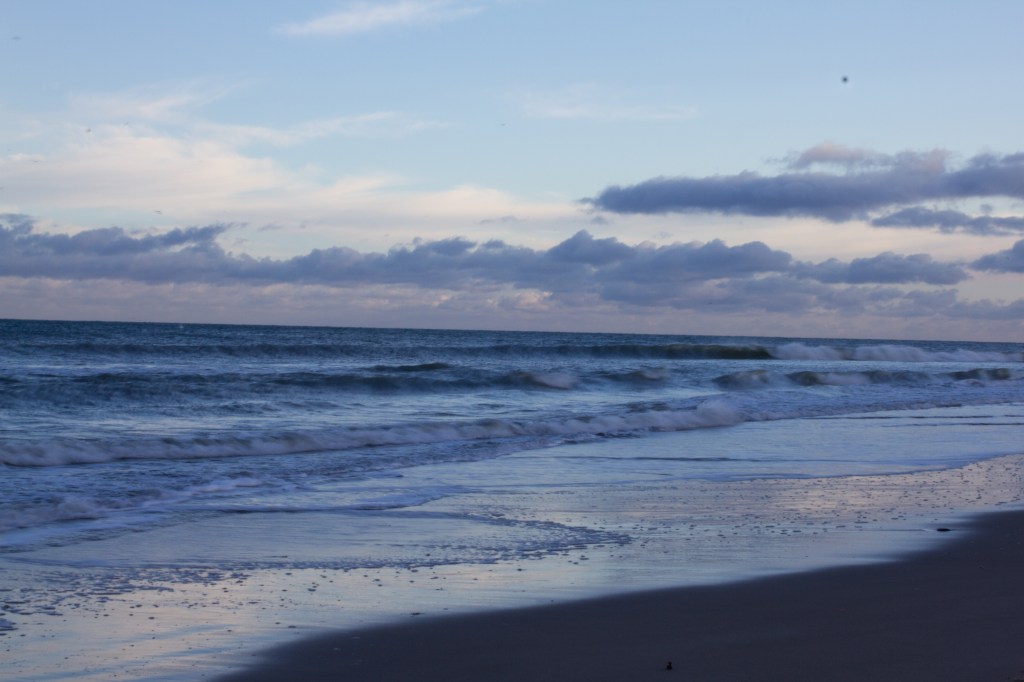
    ISO 100, F/ 32, 1/10th.
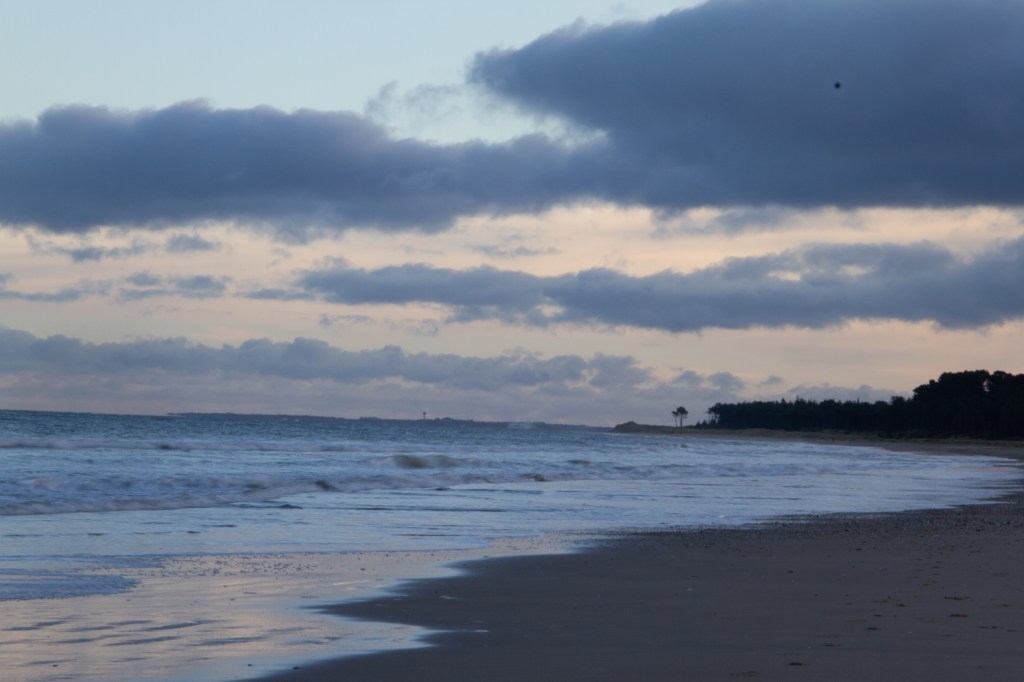
    ISO 100, F/ 36, 1/6 sec.
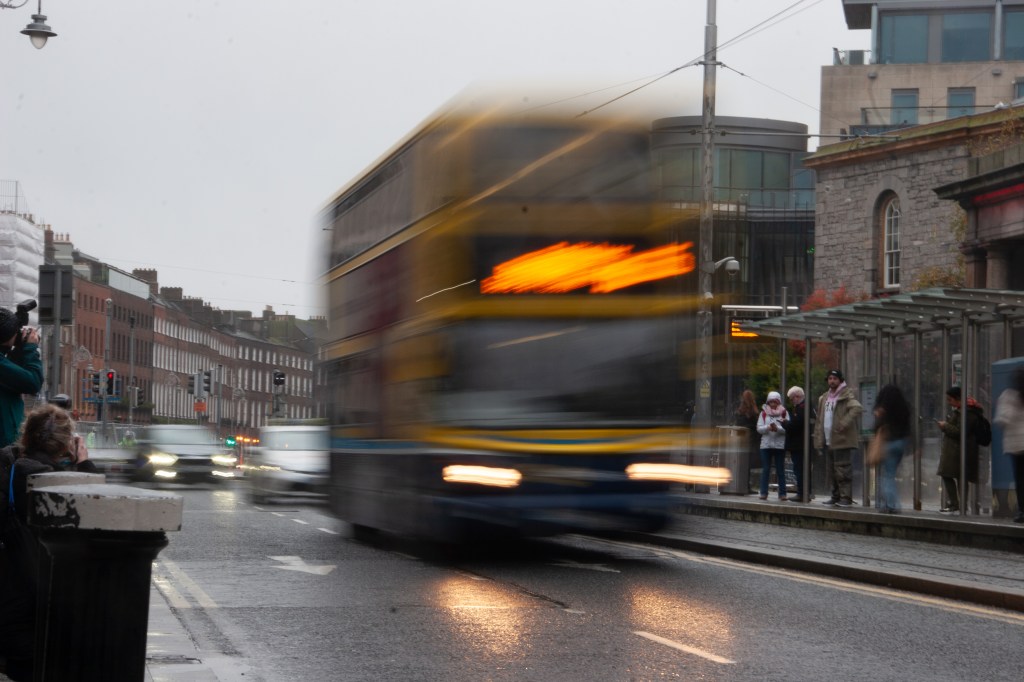
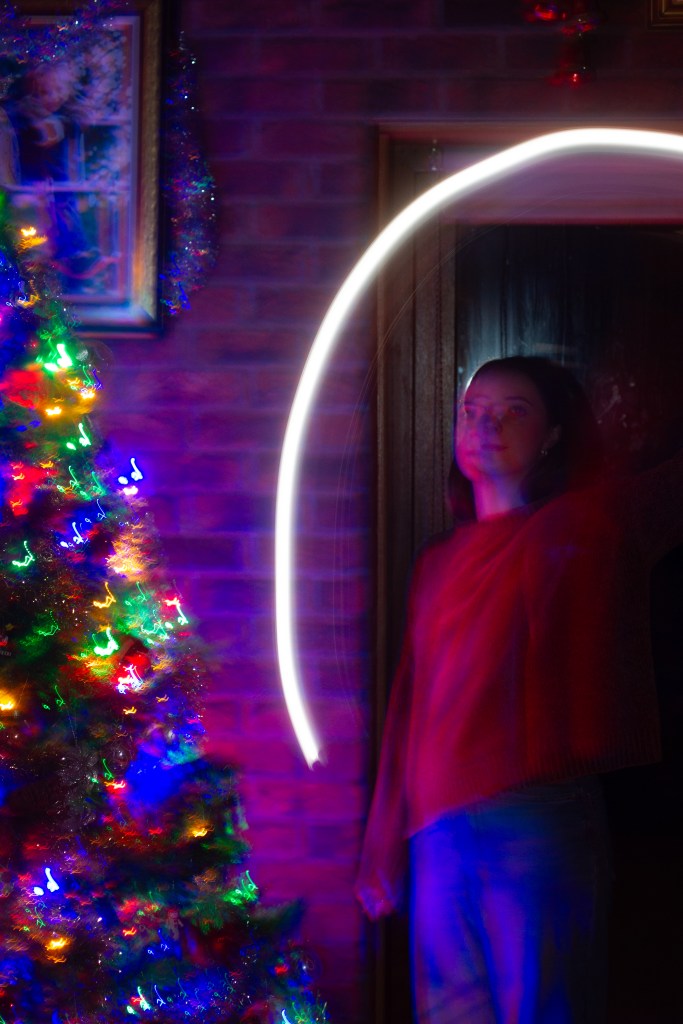
    ISO 100, F/ 25, 0.4 Sec. With first curtain flash.

    ISO 200, F/ 32, 0.3 sec.

    F/ 11, 0.3 sec Final F/ 14, 0.6 sec Test.

    Second Curtain + Flash
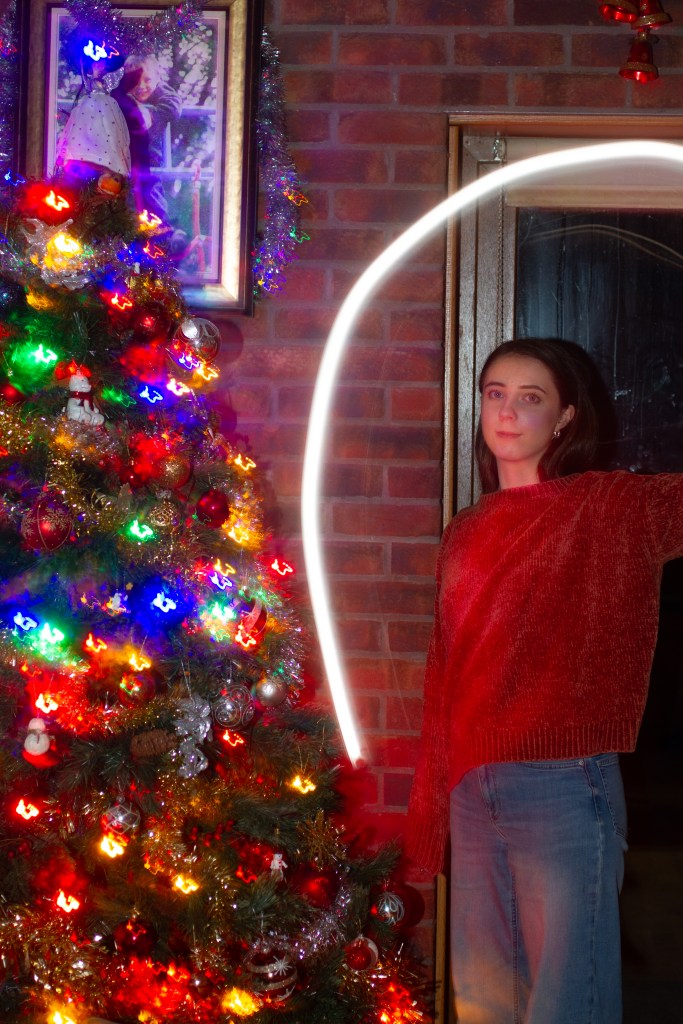
    Iso 400, F/ 3.2, 0.8 sec.
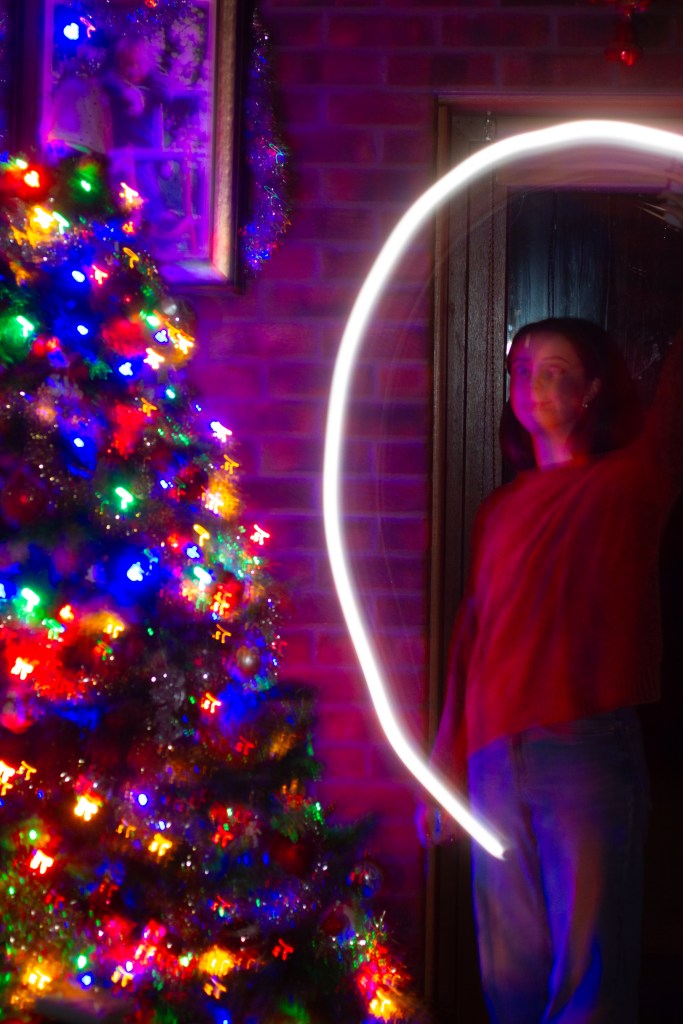
    These Images are not perfect but rather experimentation with the second curtain. Which is a really cool tool for creative usage of light and the slower shutter speeds. It is somthing I had never really used before and will definitely put into practice in my future work.
  • Creative Process Journal.

    Week 1 & Exercise 1

    Part A Raw & Baseline Exposure

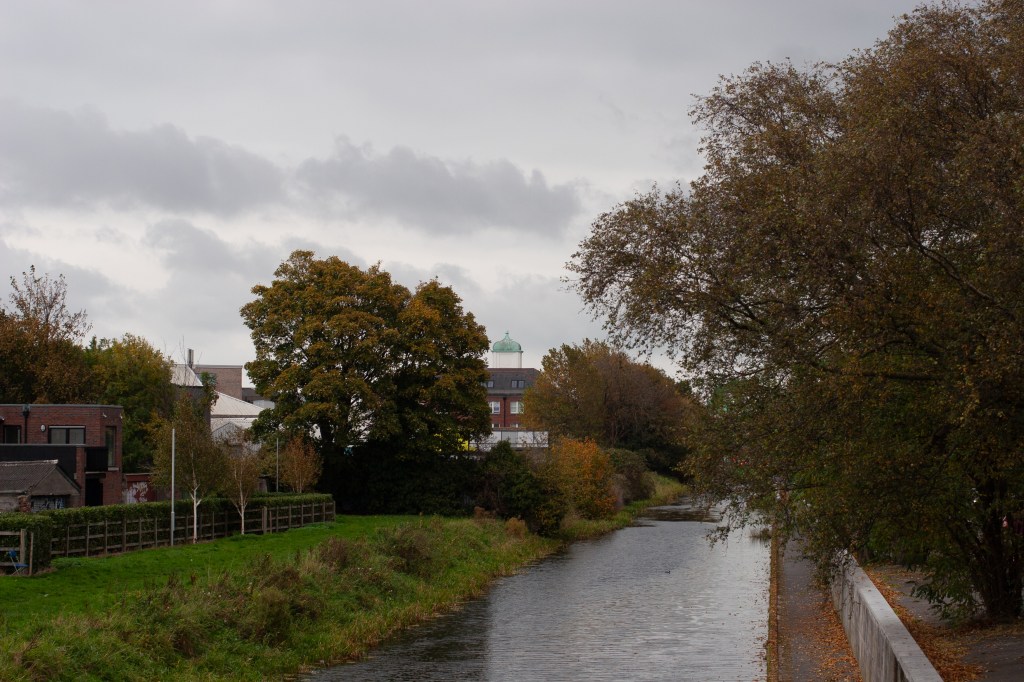
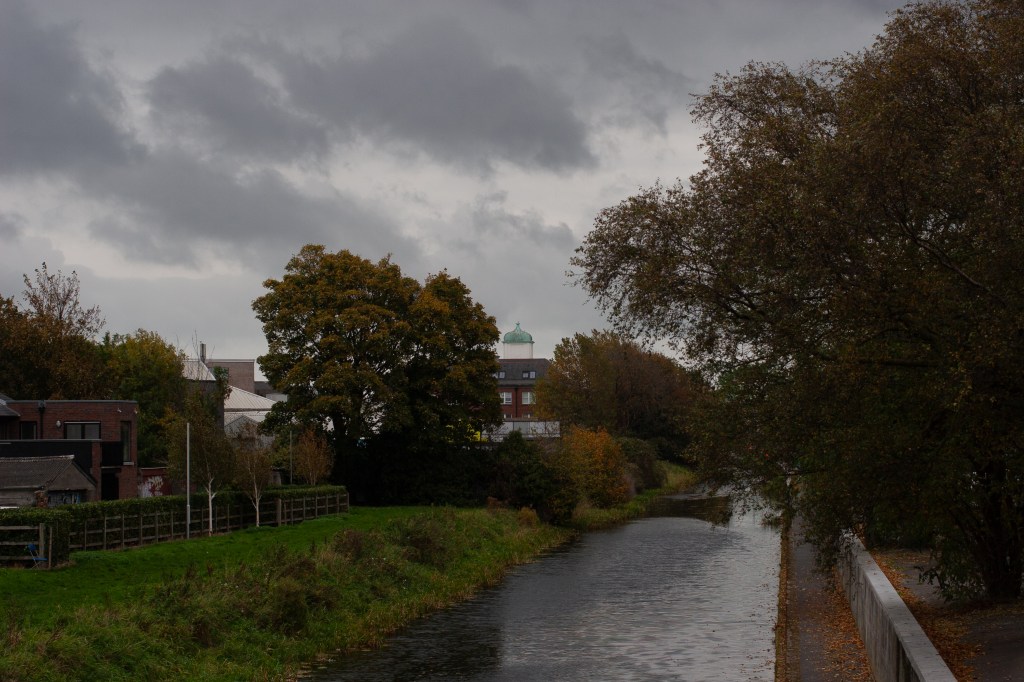
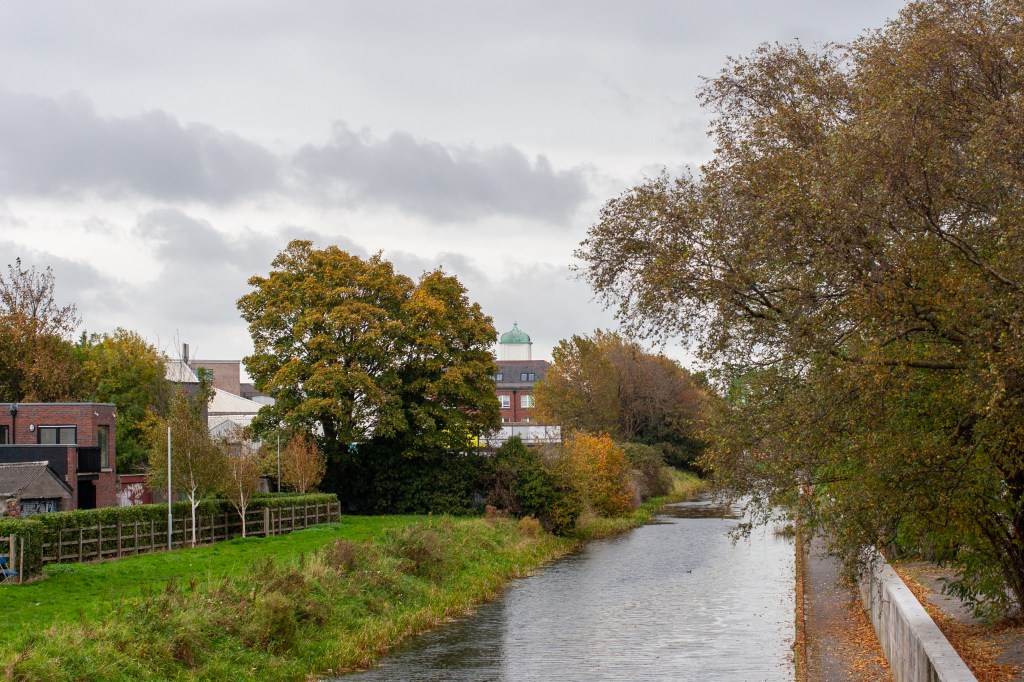
    First test shot is a little overexposed. ISO is set at 400, F/ 7.1, 1/200th.

    Second shot, ISO 200, F/ 7.1, 1/125, I brought the iso down to darken it.

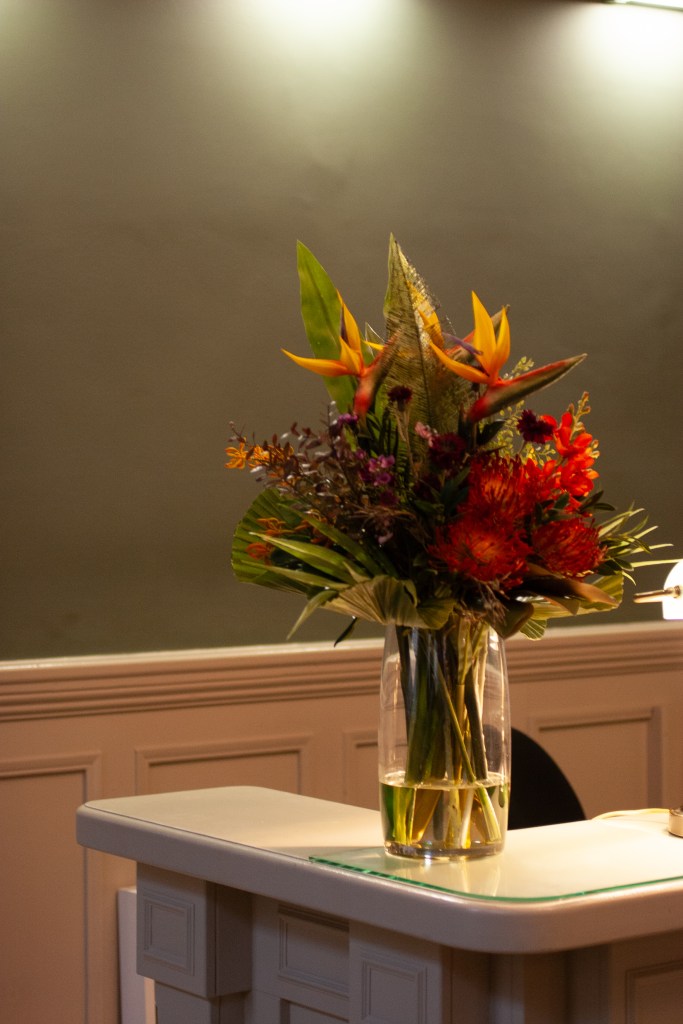
    Final image with more defined shadows setting the baseline. Iso 200, F,4.5, 1/320th. I was tring to get a defined tip on the green spire

    Part B: ISO Variations and Compensation

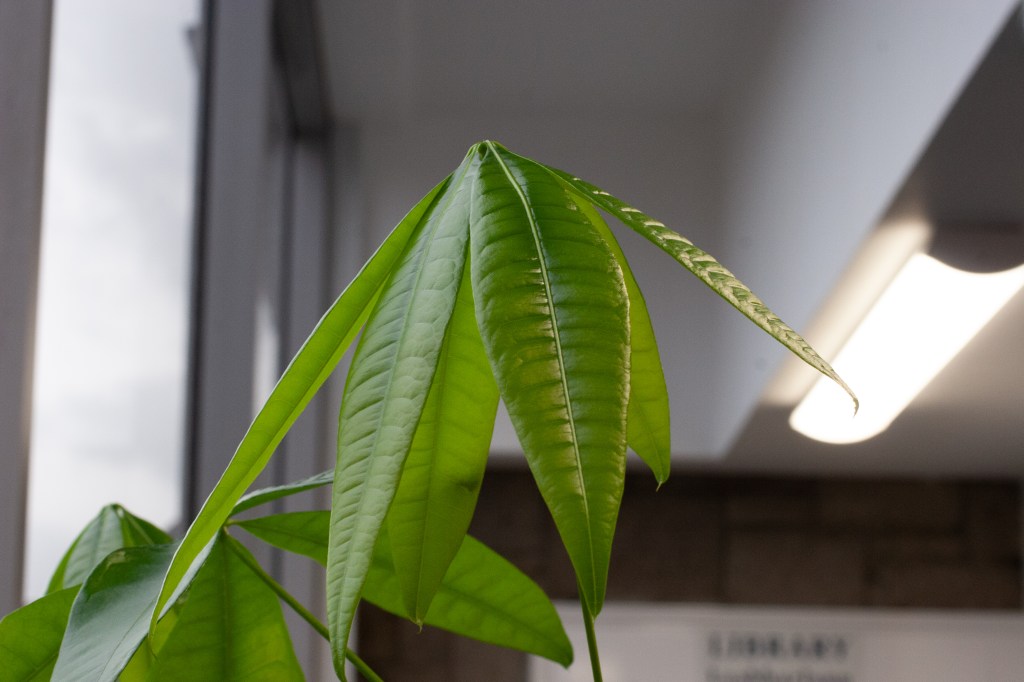
    The three Images with no exposure adjustment.

    ISO 400, SS 1/250, F/ 4.0

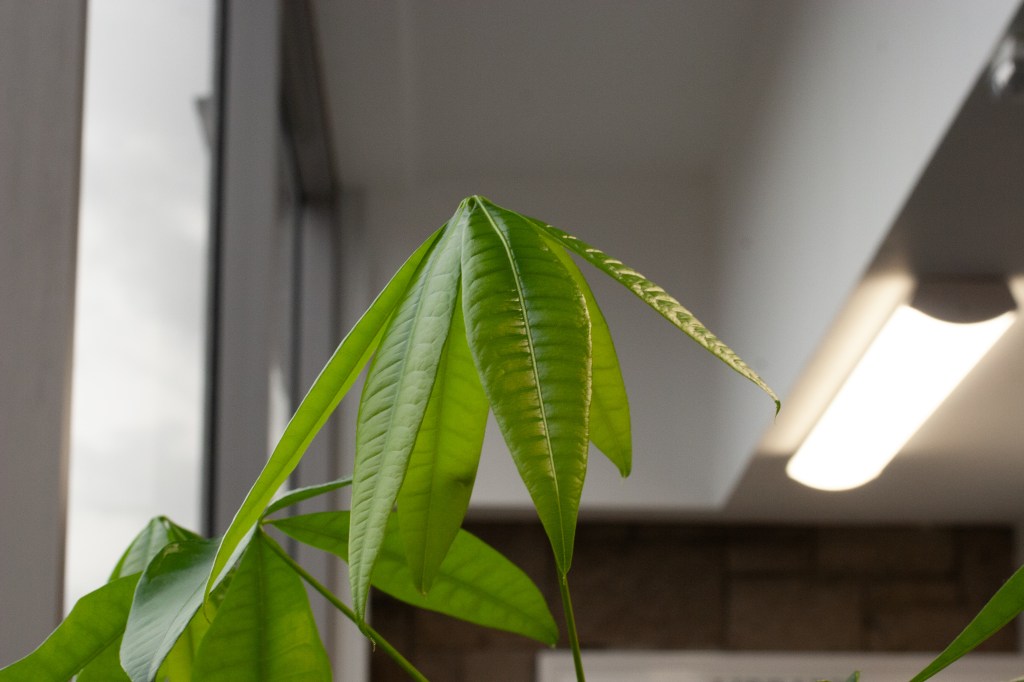
    ISO 800

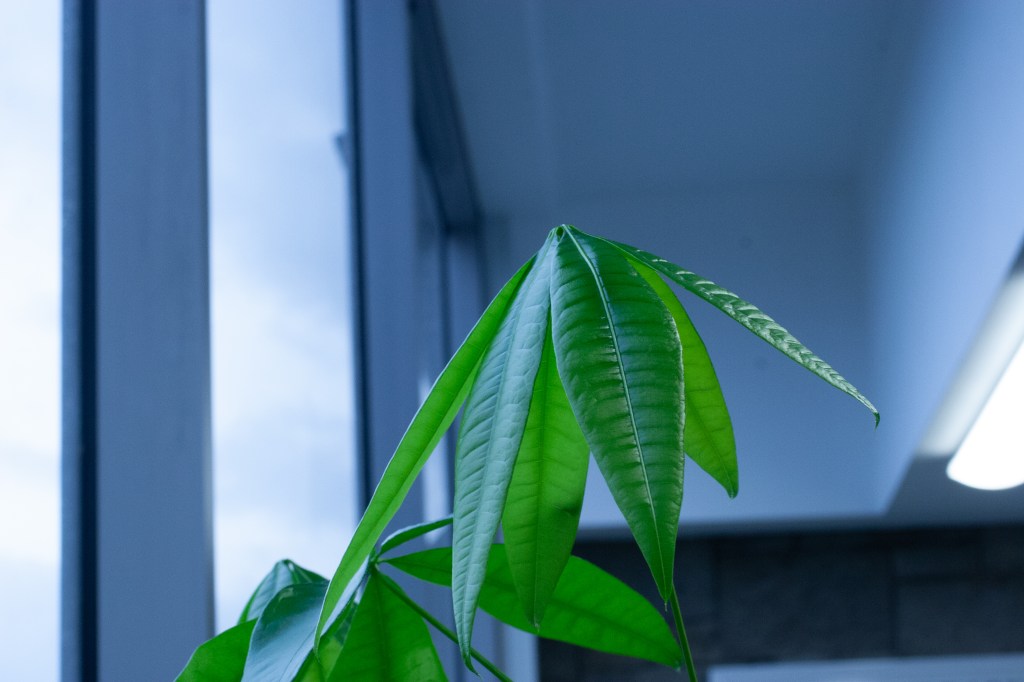
    ISO 1600

    It is clear to me how much ISO can effect the grain and completly dimantle the detail found in the hilights and shadows in an image.

    Compensation

    The next three images are from when I re-centred the exposure between each change in ISO.

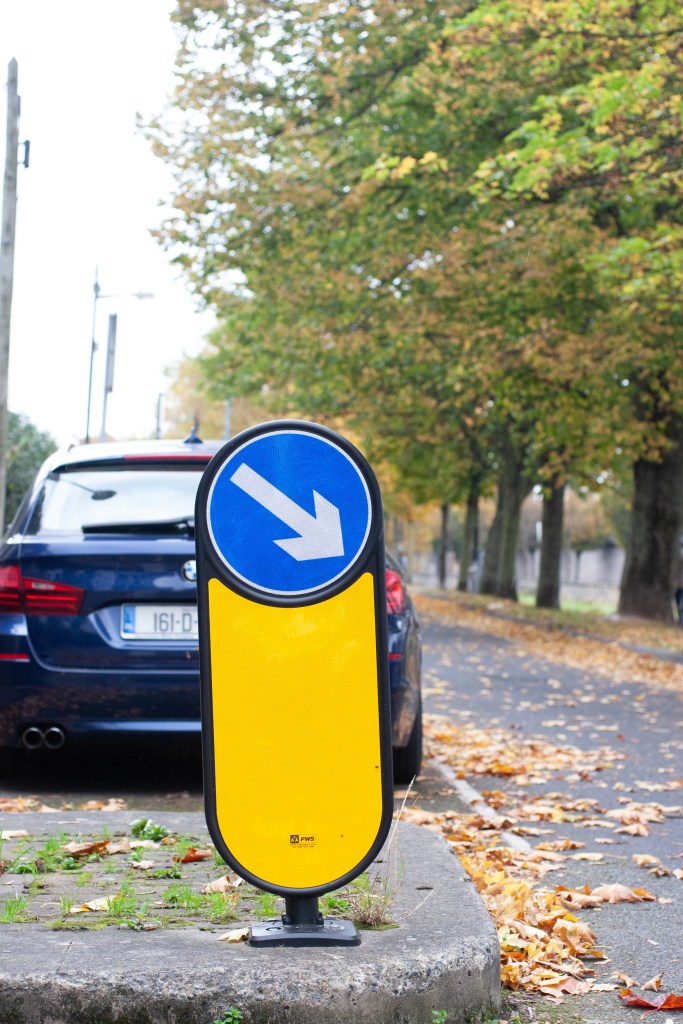
    This Image was taken at ISO 400 initially with my shutter speed at 1/25 and F/ 2.5.

    This Image was taken at ISO 800 with a shutter speed of 1/60th and F/2.5

    From this looking back I feel that adjustments should have been made to the aperature and not just the shutter speed because, between the first change in ISO my SS by 1,1/3 stops without touching the aperature. Similalry with the next change was increased by 2/3 stop. Allbeit that this was a unique ISO exercise I am learning to not lean on my shutter so much and take more time to consider what is the correct exposure while also taking into considering what creative result I am trying to achieve.

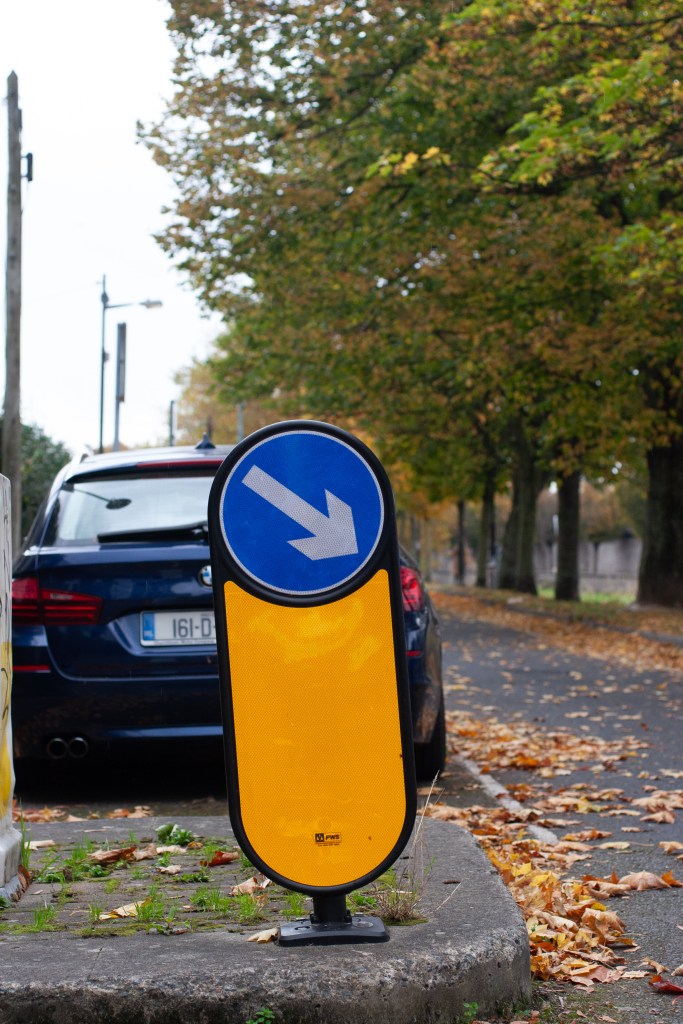
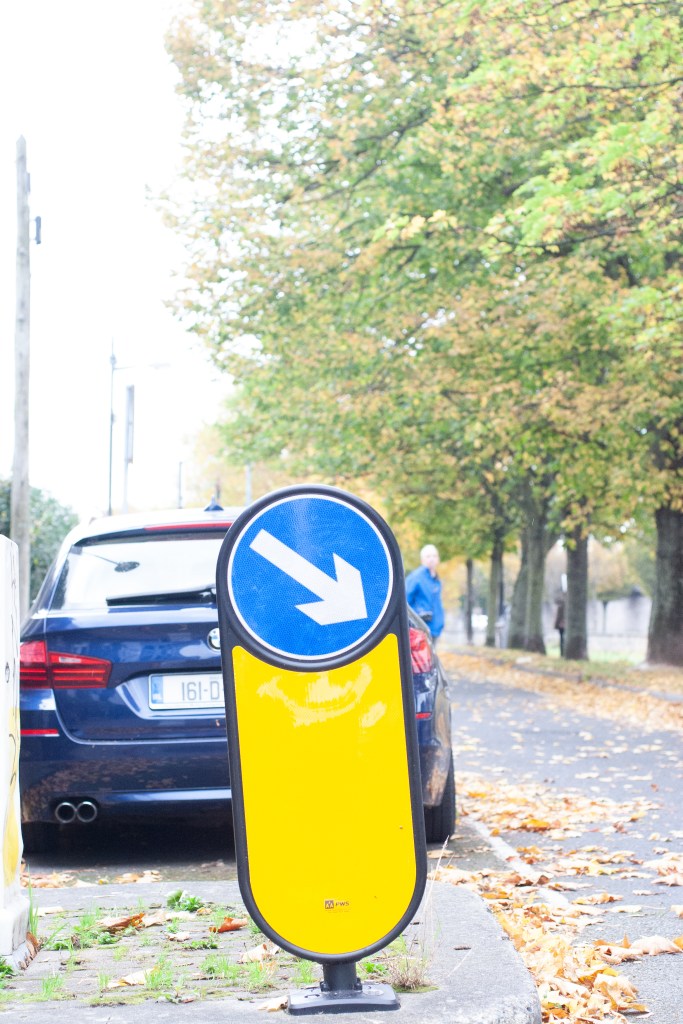
    ISO 1600, SS 1/100, F/2.5. With exposure compensation it is clear that this image is far less blown out when compaired to the former image of the yellow traffic bollard.

    Part C: Bracketing

    For the bracketing task I used the images from my baseline exposure to merge three images, one that was a bit over exposed, one which as ok and another which was under exposed. I merged them using lightroom. But this is a tool I am going to utilise in future, especially for landscape photography.

    Part D: Shutter Speed and Motion

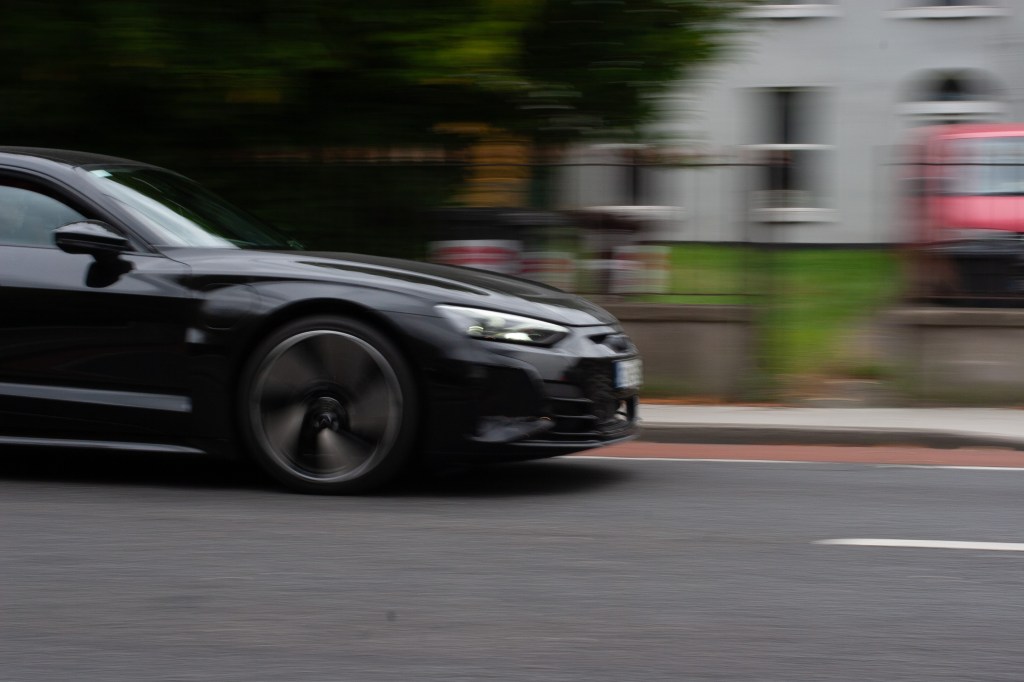
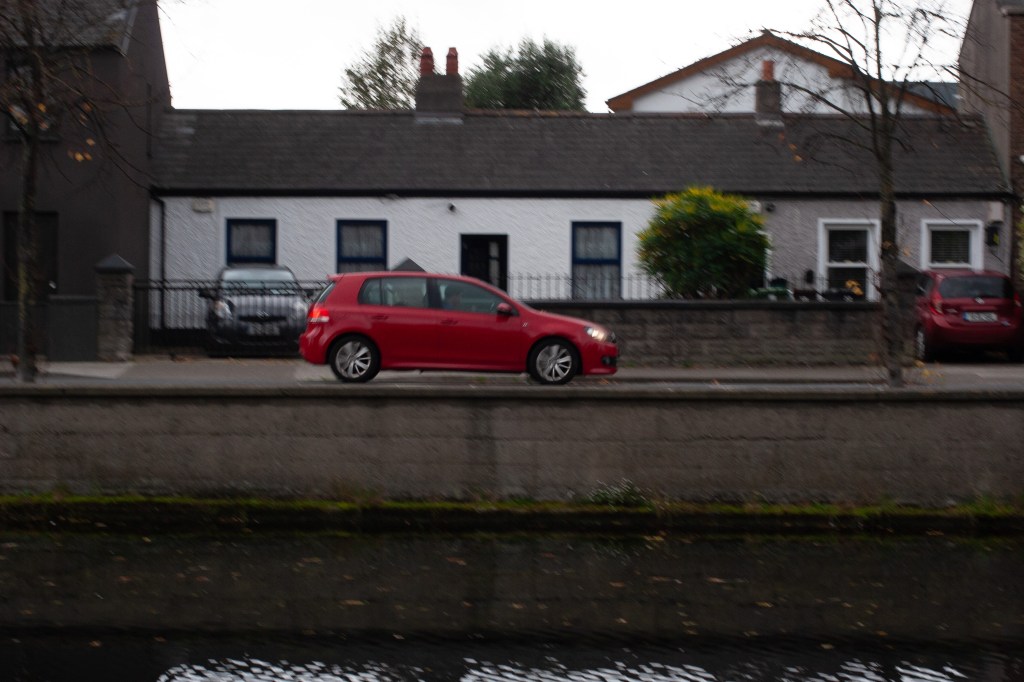
    Photograph at SS 1/30th, F/ 14, ISO 200.

    Photograph at 1/60th, F/ 8, ISO 400.

    Photograph at 1/500th

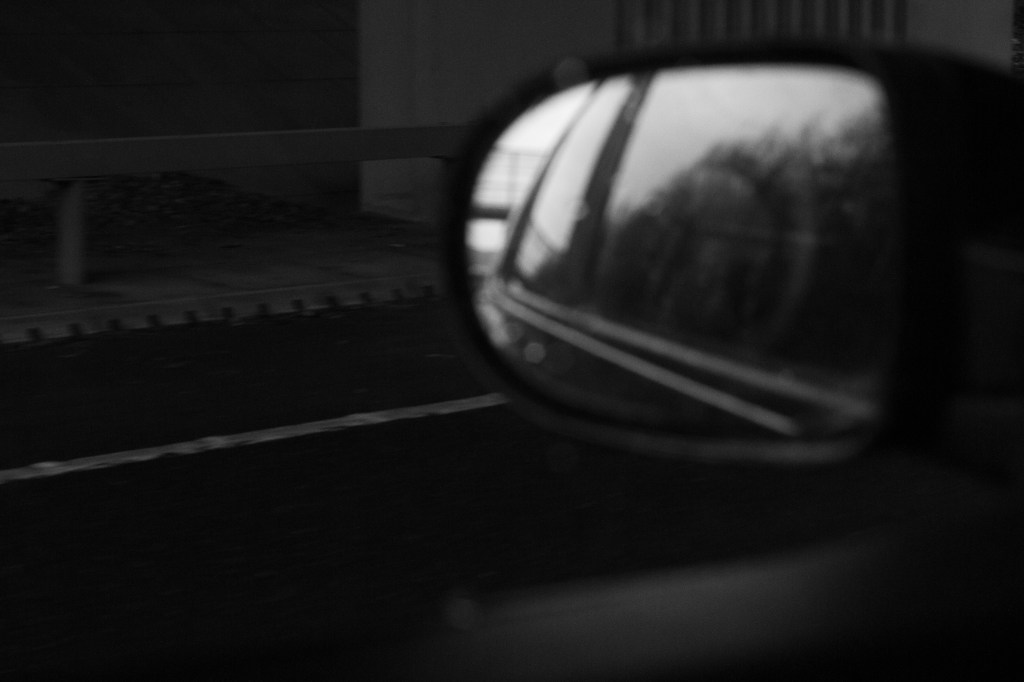
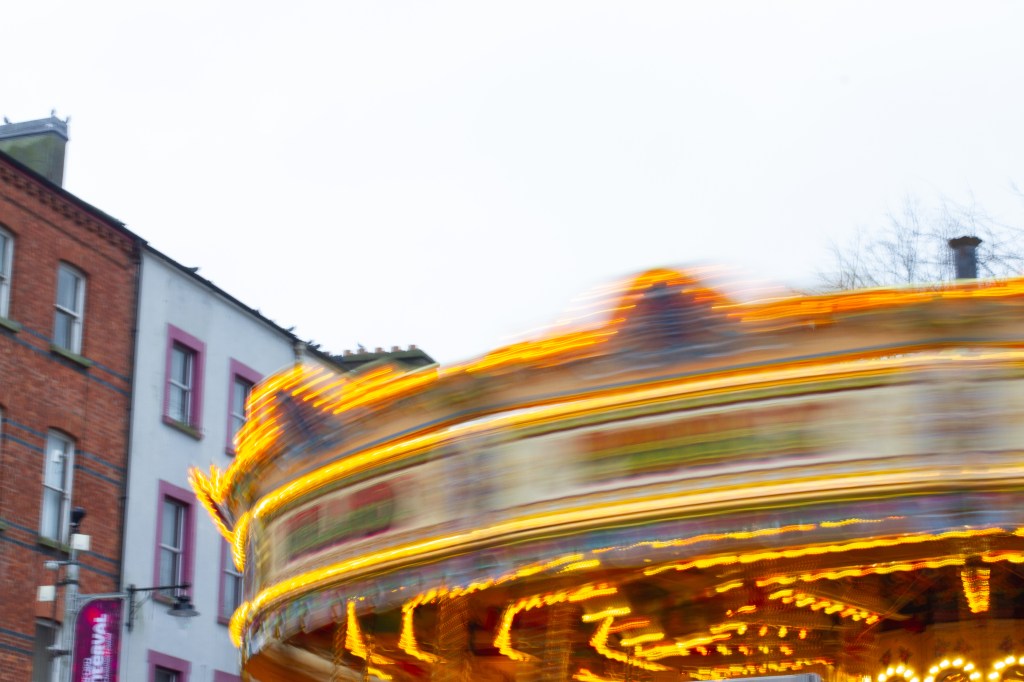
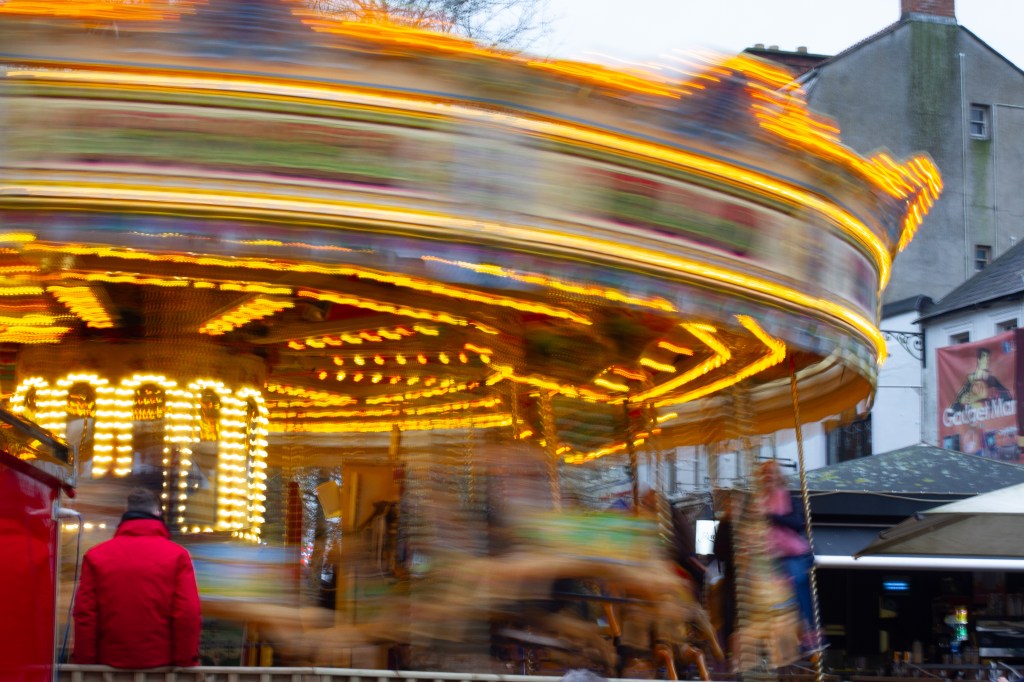
    ISO 200, F/ 14, 1/6th.

    ISO 200, F/ 14, 1/6th.

    Panning Photographs

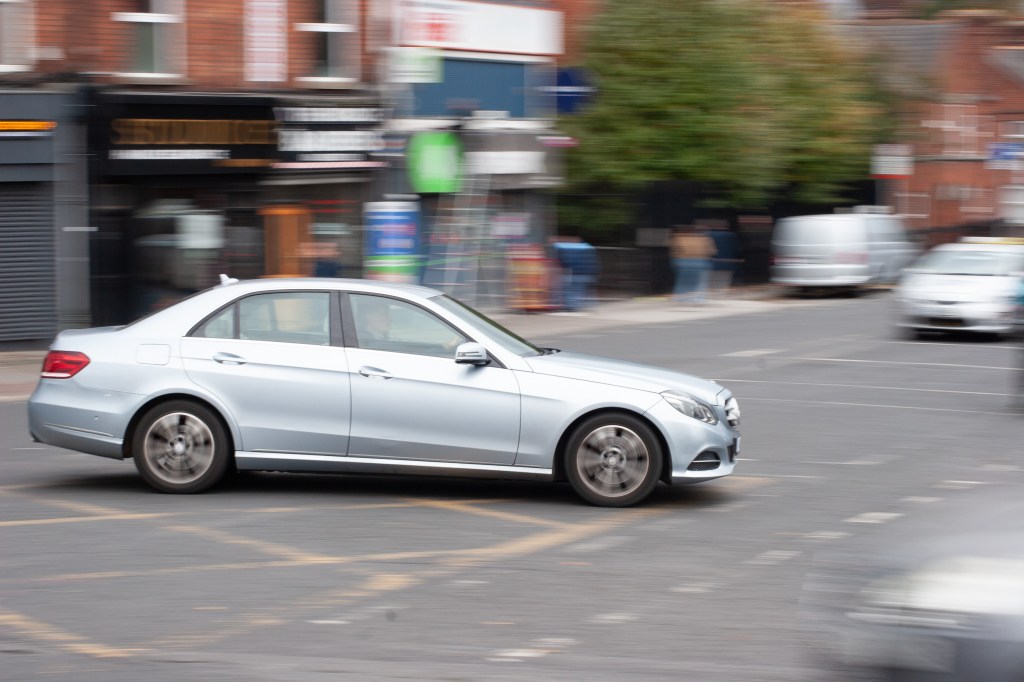
    SS 1/30, F/ 13 ISO 200.

    The above photograph was the first panning shot I got at an intersection. I was happy with it but I wanted a colour that popped a bit more than the silver car. The next panning shot is a little bit nicer.

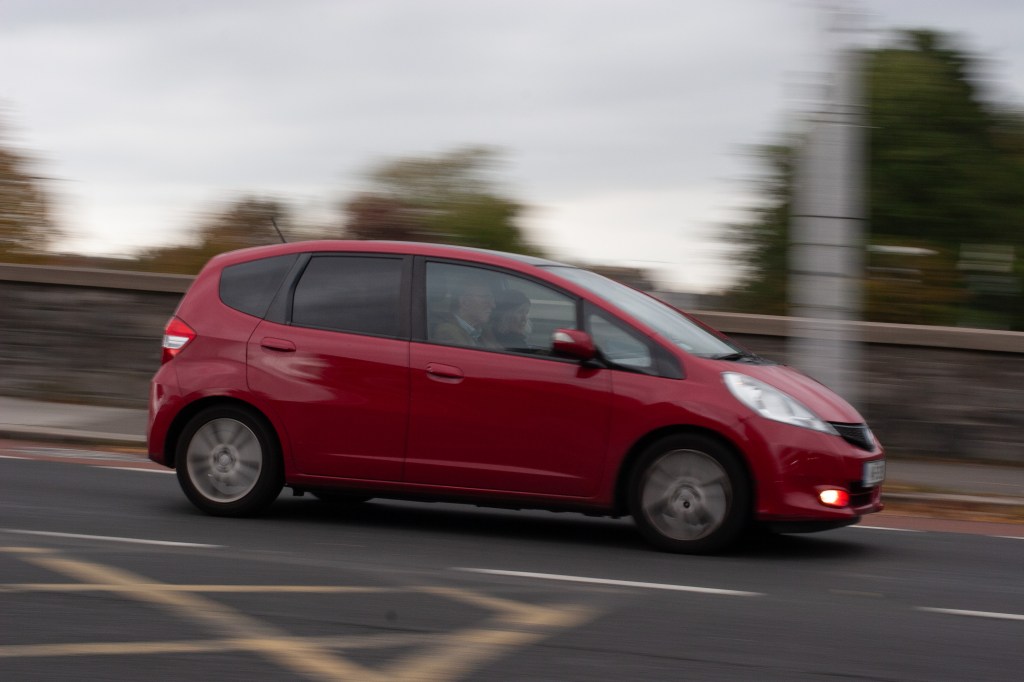
    Panning Shot 2. Grandad on the Move

    SS 1/30, F/13, ISO 400, 50mm.

    Part E: White Balance in tungsten and Night Light

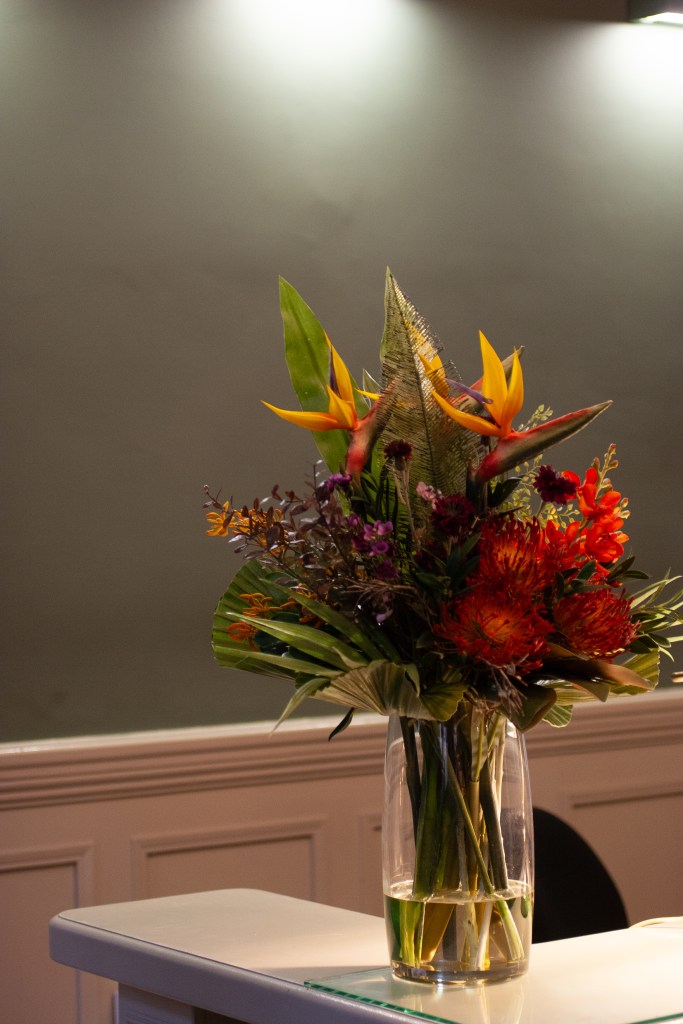
    Auto white balance.

    Tungsten white balance setting.

    Fluoresent white balance setting.

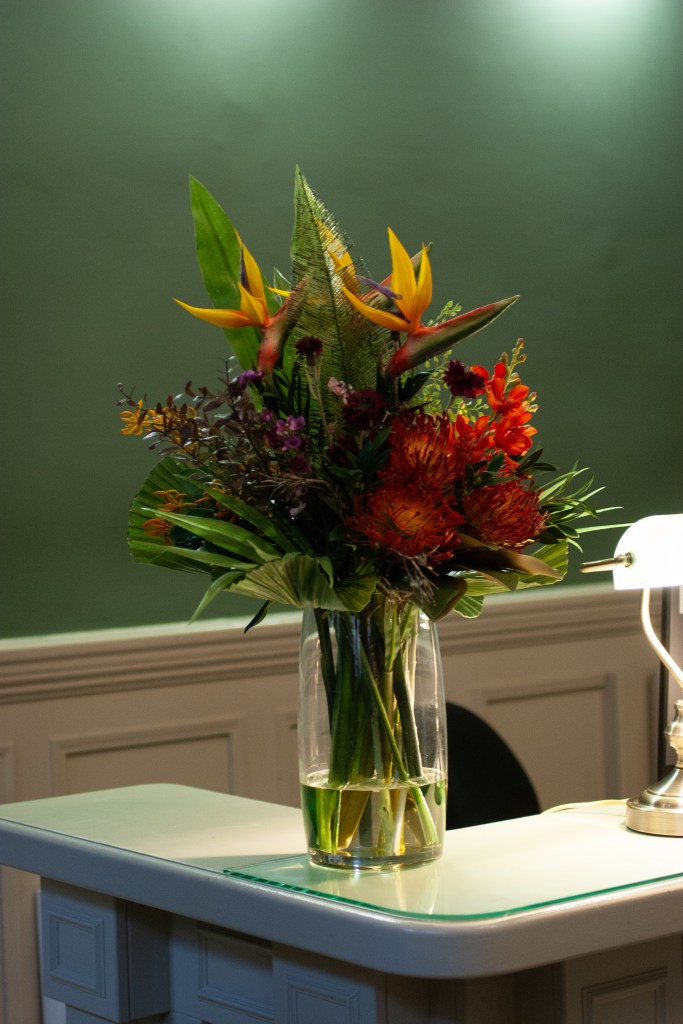
    Auto white balance.

    Daylight setting.

    Tungsten

    Fluorescent.

    This hilighted to me how useful auto white balance is but also in some situations it can get it wrong but for mixed lighting it can be really useful. It can also be used to create a certain mood in your images where you can subtract or ad warmth to achieve a certain creative goal.

    Weekly Entry

    During this week I tired to get more comfortable with the camera in manual mode and shooting in public. After the saturday class I felt inspired to go on a walk around Dublin before my bus to see if I could capture anything cool.

    70mm, 1/50th, ISO 200, F/ 7.1

    70mm, 1/50, F/ 7.1, ISO 200

    50mm, 1/15, F/ 3.2, ISO 400. Final shot of framing a rare halogen streetlight.

    Test Shot, A Little blurry and over exposed. ISO 400, F/ 3.5, 1/10th.

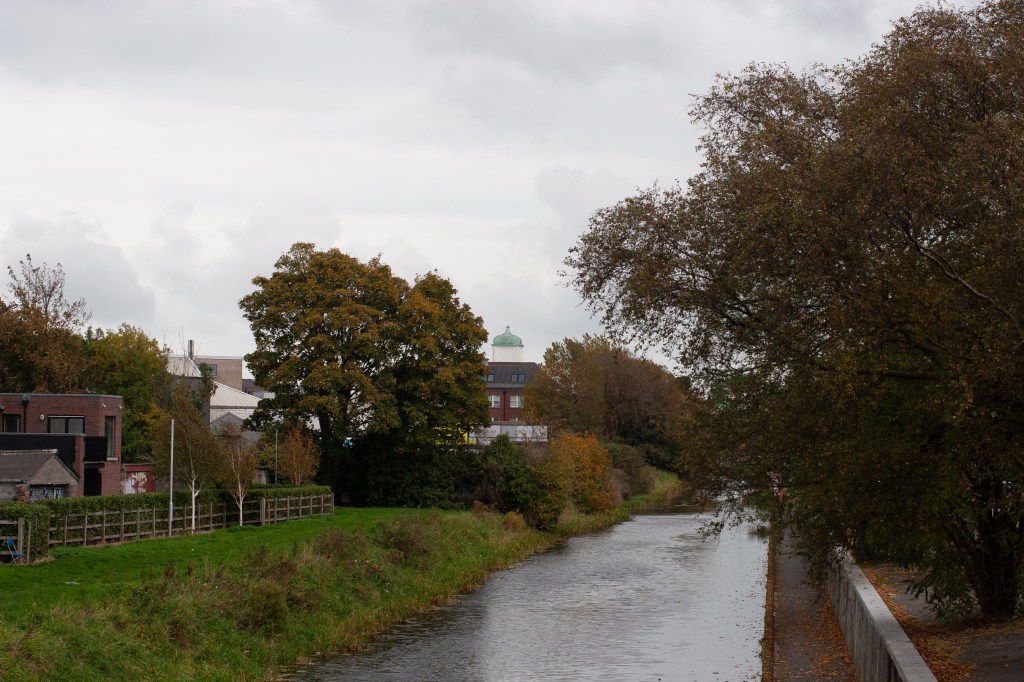
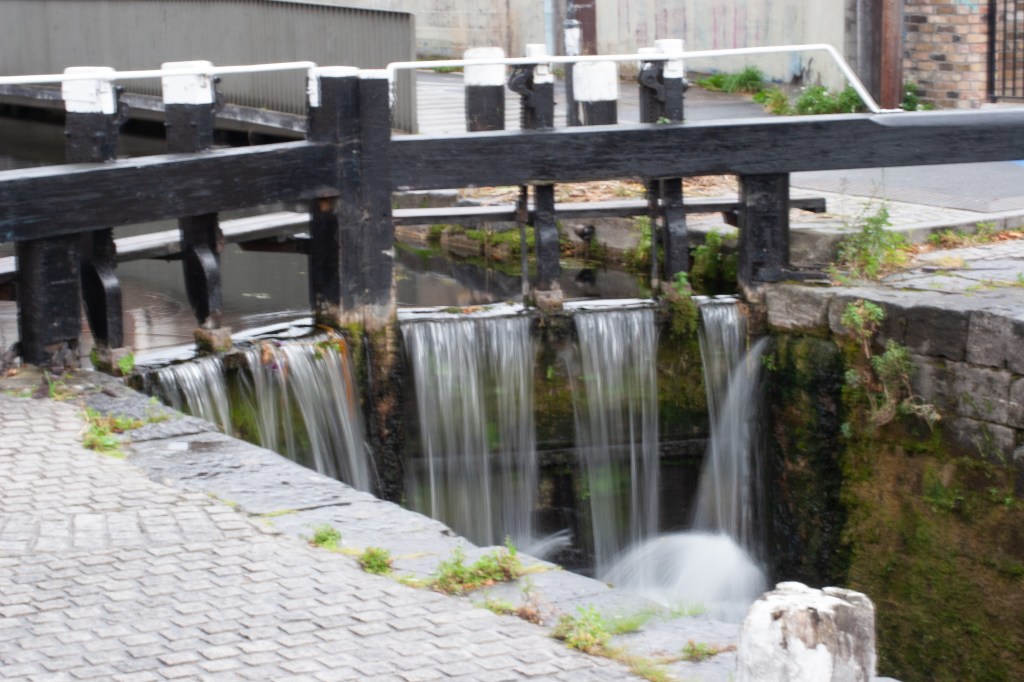
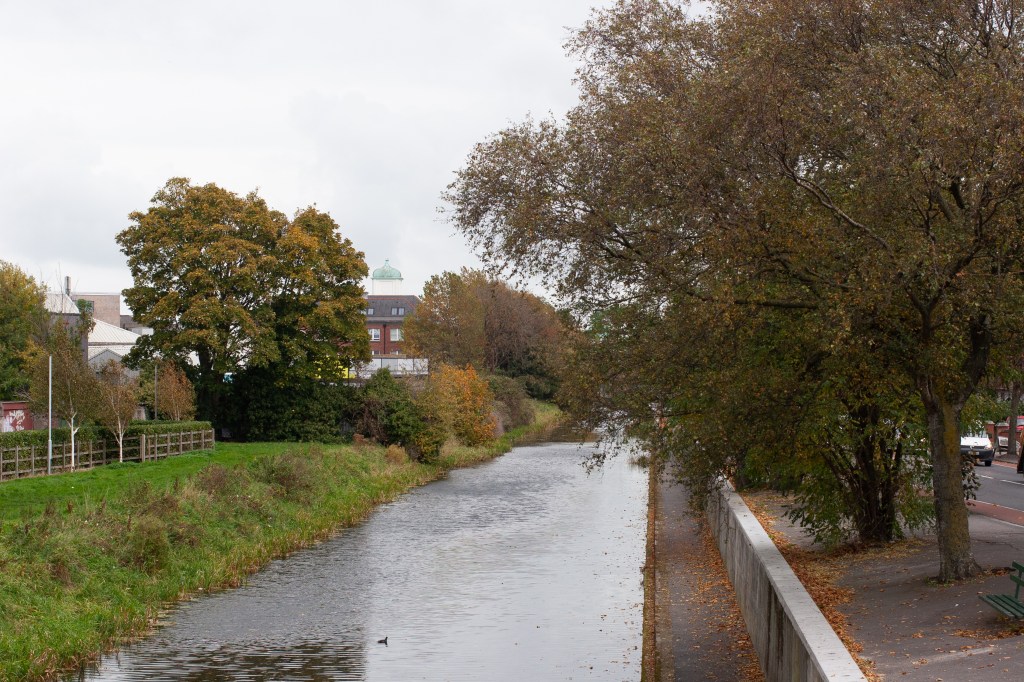
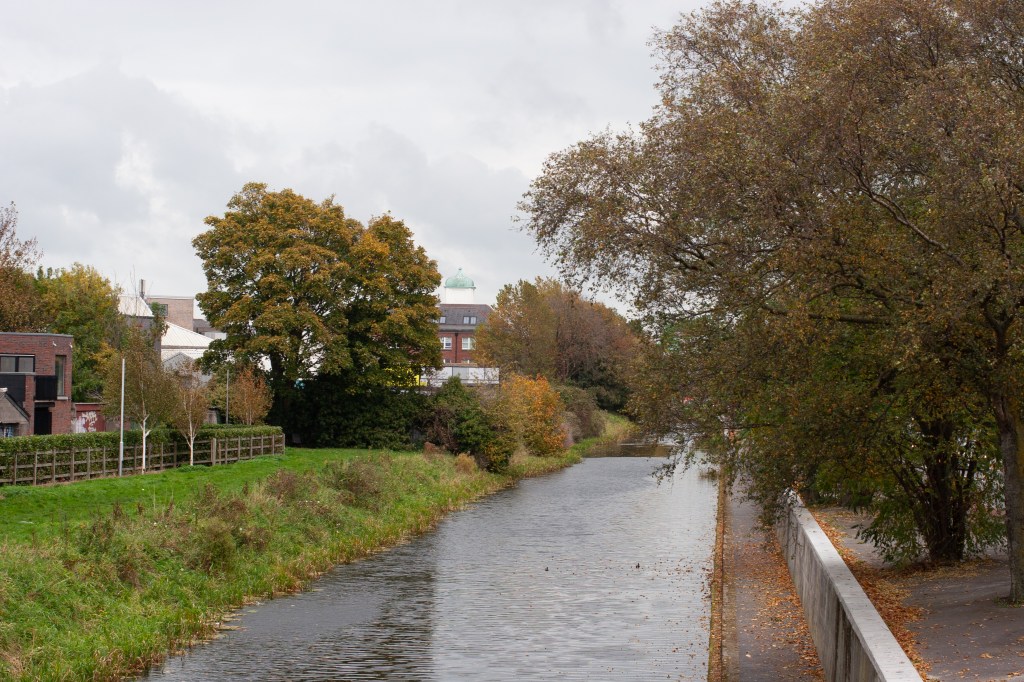
    Slow shutter shot of the canal by Leeson street. 50mm, ISO 200, F/ 11, SS 0.3 of a second.

    Test shot, SS 0.6 of a second, F/ 14, ISO 200, on a 50mm. I adjusted my shutter to account for camera shake and aperature too fix exposure.